


 6 January, 2026
Percutaneous Pulmonary Valve Implantation: A Modern, Minimally Invasive Solution for Pulmonary Valve Disease
What Is Percutaneous Pulmonary Valve Implantation
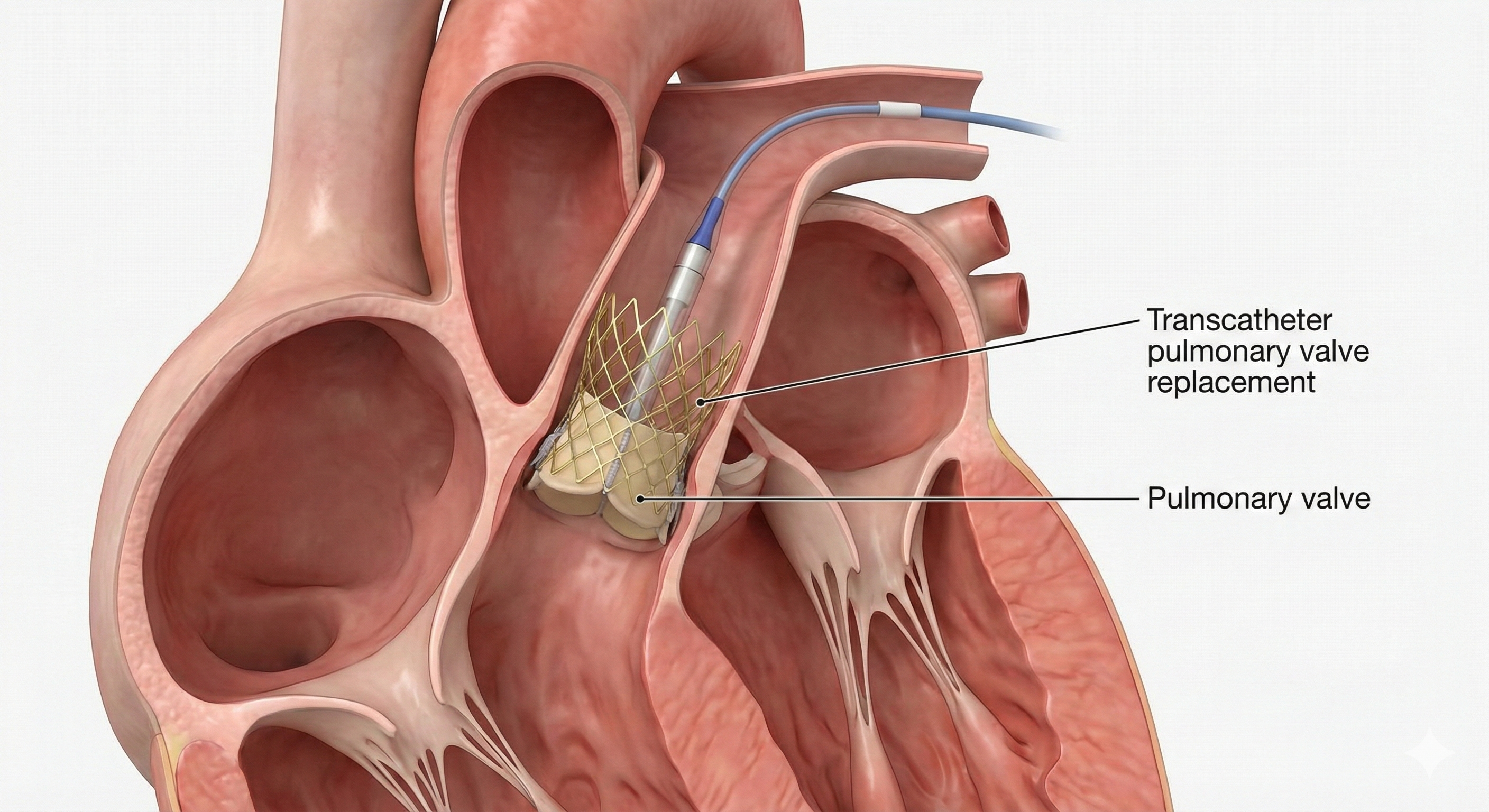
Percutaneous Pulmonary Valve Implantation is a modern heart procedure that allows doctors to replace a damaged pulmonary valve without open-heart surgery. The word percutaneous means the valve is placed through blood vessels, usually from the leg, instead of opening the chest.
This procedure is especially helpful for patients who were born with heart conditions and had surgery earlier in life. Over time, the valve used in childhood can wear out. Percutaneous valve implantation offers a safer and easier way to restore valve function again.
Why the Pulmonary Valve Is Important
The pulmonary valve controls blood flow from the right side of the heart to the lungs. It opens to allow blood to move forward and closes to prevent blood from flowing backward.
When this valve becomes narrow or starts leaking, the heart has to work harder. Over time, this can cause tiredness, breathlessness, reduced stamina, heart rhythm problems, and heart enlargement. Treating the valve at the right time protects the heart from long-term damage.
How This Procedure Helps Patients
Percutaneous pulmonary valve implantation restores normal blood flow to the lungs. It reduces strain on the heart and improves symptoms such as shortness of breath and fatigue. Because the procedure is minimally invasive, recovery is faster and less painful compared to traditional surgery.
Many patients notice better energy levels and improved ability to exercise within weeks.
Who Can Benefit From This Procedure
This treatment is suitable for patients who have a damaged pulmonary valve or a previously placed valve that is no longer working well. It is commonly recommended for people with a history of congenital heart disease.
Doctors decide suitability after detailed heart scans and tests to ensure the valve can be safely placed and will function properly.
What Happens During the Procedure
The procedure is done in a specialized heart catheterization laboratory. The patient is given anesthesia so there is no pain or discomfort.
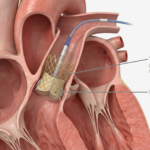
A thin tube is guided through a vein in the leg to the heart. The new valve is carefully positioned inside the old valve or conduit and expanded. Once in place, it starts working immediately. The catheter is then removed, and no stitches on the chest are required.
Most procedures take a few hours.
Recovery and Life After the Procedure
Recovery is usually quick. Most patients are up and walking the next day and can go home within two to three days. Normal daily activities can be resumed much sooner than after open-heart surgery.
Regular follow-up visits help ensure the valve continues to work well and the heart stays healthy.
Frequently Asked Questions About Percutaneous Pulmonary Valve Implantation
Is this an open-heart surgery
No. This procedure is performed through blood vessels and does not involve opening the chest or stopping the heart.
Will I feel pain during the procedure
No. The procedure is done under anesthesia. Mild soreness at the leg entry site may be felt afterward, which usually settles quickly.
How long does the valve last
The valve is designed to last many years. Regular follow-up helps monitor its function over time.
How soon can I return to normal activities
Most patients return to routine activities within a few days and resume normal work within one to two weeks, depending on medical advice.
Is this procedure safe
Yes. When performed in experienced centers, it has a high success rate and a low risk of complications.
Will I need another surgery in the future
Some patients may need another valve procedure later in life, but this technique significantly reduces the number of open surgeries needed over time.
Is lifelong medication required
Some medications may be prescribed initially. Long-term treatment depends on individual heart conditions and doctor recommendations.